
Understanding the psychology behind gambling Why do we take risks
The Allure of Risk: An Overview
The psychology behind gambling is deeply rooted in our instinctual behavior towards risk. When individuals engage in gambling, they often experience a rush of adrenaline that can be addictive. This thrill stems from the unpredictability of the outcome, creating a cocktail of excitement and anticipation. To access this engaging experience, users can consider the daman app download, which offers a seamless way to play. The prospect of winning can trigger a euphoric response in the brain, similar to that of using substances, further fueling the desire to take risks.
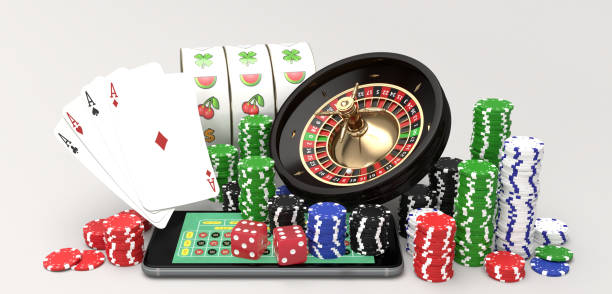
Moreover, the risk-taking behavior associated with gambling taps into fundamental human emotions, such as hope and desire for financial freedom. Players often envision the life-changing benefits that a big win could bring, which can overshadow the reality of the odds against them. This cognitive bias, known as «optimism bias,» makes gamblers feel that they have a better chance of winning than statistics suggest, compelling them to take risks.
The Role of Social Influence
Social dynamics play a significant role in gambling behavior. Many individuals are influenced by their peers when it comes to taking risks. The communal aspect of gambling, whether in physical casinos or online platforms, fosters a sense of belonging and shared experience. This social interaction can create a supportive environment that encourages individuals to engage in riskier behaviors than they might consider in isolation.
Furthermore, the social validation that comes from participating in gambling can reinforce the behavior. Success stories shared among friends can amplify the allure of gambling, as individuals aspire to achieve similar victories. This phenomenon can lead to a cycle where social influence perpetuates continued risk-taking, even in the face of potential losses.
Cognitive Biases and Decision-Making
Cognitive biases significantly affect how individuals perceive risk in gambling. One such bias is the «gambler’s fallacy,» where people believe that past events can influence future outcomes. This fallacy can cause gamblers to chase losses, assuming that their luck will change with subsequent bets. These erroneous beliefs can cloud judgment and lead to even greater risk-taking behaviors.
Additionally, the framing effect plays a crucial role in decision-making processes related to gambling. How choices are presented can drastically influence the perceived attractiveness of risks. For instance, a bet described as having a chance to «win big» can seem more appealing than one that merely presents the odds. This manipulation of perception can lead individuals to take risks they might otherwise avoid.
The Neurobiological Underpinnings of Gambling
Research shows that gambling activates the brain’s reward system, releasing neurotransmitters such as dopamine, which are responsible for feelings of pleasure. This biological reaction reinforces the behavior, as individuals seek out the rewarding sensations associated with risk-taking. Consequently, the act of gambling becomes a powerful motivator, driving individuals to pursue further risky endeavors.
Moreover, individuals with certain personality traits, such as impulsivity or sensation-seeking, are more likely to engage in gambling. These traits can amplify the desire to experience the thrill of risk, making gambling an attractive option. Understanding these neurobiological factors can provide insights into why some individuals are more prone to gambling than others, highlighting the complexity of human behavior regarding risk.

Exploring Future Trends in Gambling Technology
As the gambling industry evolves, technology plays a pivotal role in shaping the experience of risk-taking. Innovations such as online casinos and mobile apps provide accessibility and convenience, attracting a broader audience. These platforms often incorporate gamification elements, increasing engagement and encouraging users to take more risks through interactive features. The ongoing advancements in technology suggest exciting possibilities for the future of gambling technology, enhancing user experiences.
The future of gambling technology also holds potential for enhanced user experience through personalized algorithms that tailor gaming experiences to individual preferences. This customization can amplify the thrill of gambling, as players are presented with options that align with their behaviors and tendencies. Understanding these trends can inform players about responsible gambling practices and help mitigate the risks associated with excessive behavior.